The Science Museum of Minnesota
Turquoise
Turquoise
Couldn't load pickup availability
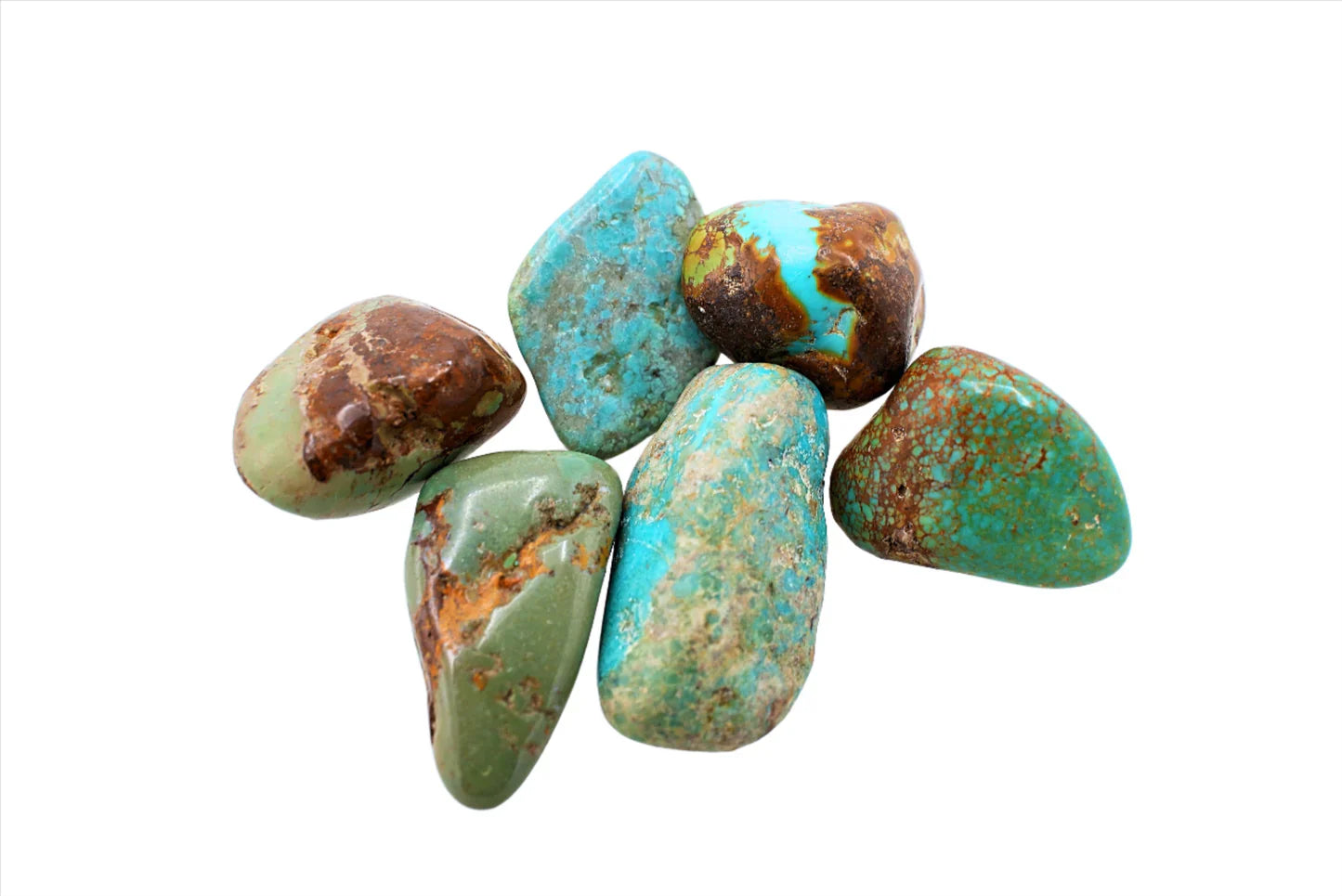
Turquoise is an opaque copper-aluminum phosphate mineral. It is prized for its blue to green coloration, which results from the presence of copper (blue tones) and iron (green tones). Turquoise typically forms in arid, oxidized environments as a secondary mineral in copper-rich rock.
Features:
-
Composition: A hydrated phosphate of copper and aluminum, turquoise is part of the triclinic crystal system but typically forms as microcrystalline masses rather than distinct crystals.
-
Coloration: The blue-to-green color spectrum is influenced by varying copper and iron content, with no two specimens exactly alike.
-
Formation: Turquoise develops through the weathering and oxidation of copper ore deposits, often in host rocks like sandstone, shale, or volcanic tuff.
-
Geologic Sources: Major sources include the southwestern United States (especially Arizona and New Mexico), Iran, Egypt, and China.
-
Physical Properties: With a Mohs hardness of 5–6, turquoise is relatively soft and porous compared to other gemstones. Stabilization is sometimes used to improve durability.
-
Educational Value: Ideal for studying mineral alteration, phosphate mineralogy, and the geologic conditions required for secondary mineral formation.
These specimens offers a vibrant example of how geochemical processes in arid climates can produce one of Earth’s most historically significant minerals.
Share